

Sarah Taylor Phillips
Future of Work Strategist, entrepreneur and pioneer
Reimagining how we work across longer lives. Her approach has always been people first: she calls it upside down thinking.
Upside down thinking
Start with the work, not the job description
Rather than starting with a job description or the way things have always been done, Sarah starts with the work that needs doing, the people who could contribute and the potential that might otherwise be missed.

Her story

Her career has never fitted neatly into one box
She started in FMCG marketing, working on brands including Clover, Quorn and Mum deodorant. As part of her marketing degree, she spent a year in Paris in 1985 working as a marketing intern for the French trade association for artificial intelligence.
After travelling around the world in her mid twenties, Sarah returned to the UK and worked as an interim manager, including three assignments with Dairy Crest.
That experience changed the direction of her career.
People started asking Sarah where they could find someone like her, so in 1996 she co founded an interim management business. It grew from zero to £5.5 million turnover in five years.
What interim management taught her
See the capability. See the potential.
Interim management also showed Sarah something important about talent.
When an organisation urgently needed someone to come in and deliver, many of the usual barriers disappeared. Clients were less interested in age, background or where somebody went to university. They wanted to know whether the person had the capability to do the work.
It opened opportunities for experienced people, including senior women in marketing and HR, who might have been overlooked through more conventional recruitment.
That thinking still sits at the heart of Sarah’s work today. See the capability. See the potential. Then think differently about how the work could be done.

Intergenerational alchemy

Combine what every generation brings
For the past ten years Sarah has also worked with schools, young people and the Careers & Enterprise Company, co creating interactive careers experiences and festivals.
As a parent to two Gen Z children, she also watches different generations’ expectations of work, technology, flexibility and careers play out in real life.
Sarah believes the opportunity is not to pitch one generation against another, but to combine what different generations bring. Experience, emerging talent, different perspectives, new technology and AI. She calls it intergenerational alchemy.
Sarah also co created a 50/50 work experiment bringing together 50 people over 50, 50 organisations and 50 hours of work. It was an early example of what she now calls a microship, a short piece of meaningful work that allows someone to contribute, experiment and demonstrate what they can do.
August 2024
The visual that sparked a global conversation
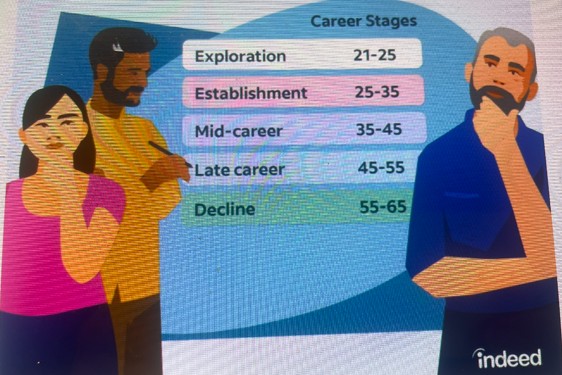
In August 2024 Sarah challenged an Indeed visual that labelled the ages of 55 to 65 as “decline”.
The visual went viral around the world and helped shape a much wider conversation about ageism, longer working lives and later life careers.
It crystallised something Sarah had been thinking about for years.
What if the problem is not the person? What if it is the way we have designed the work?
In the room
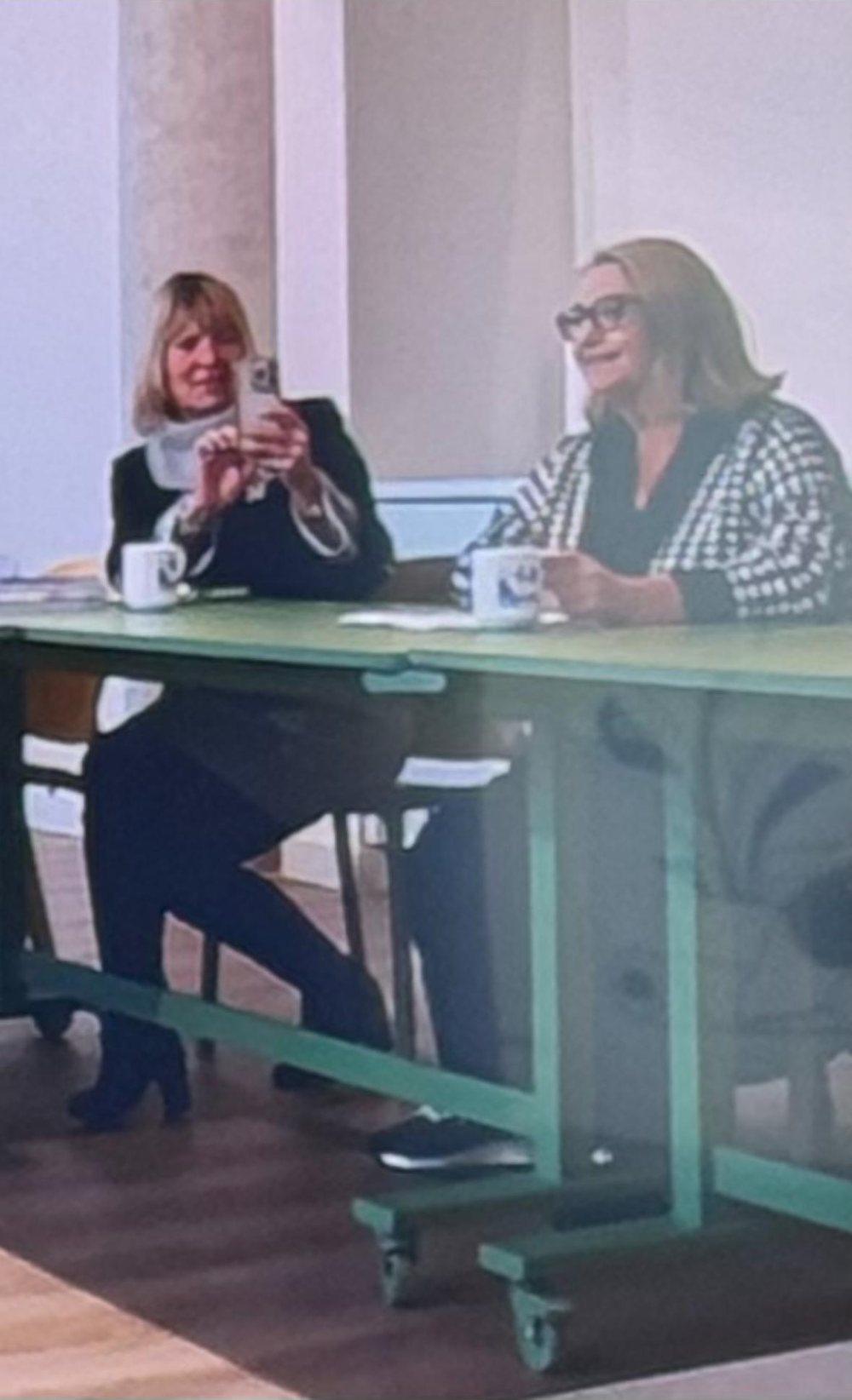
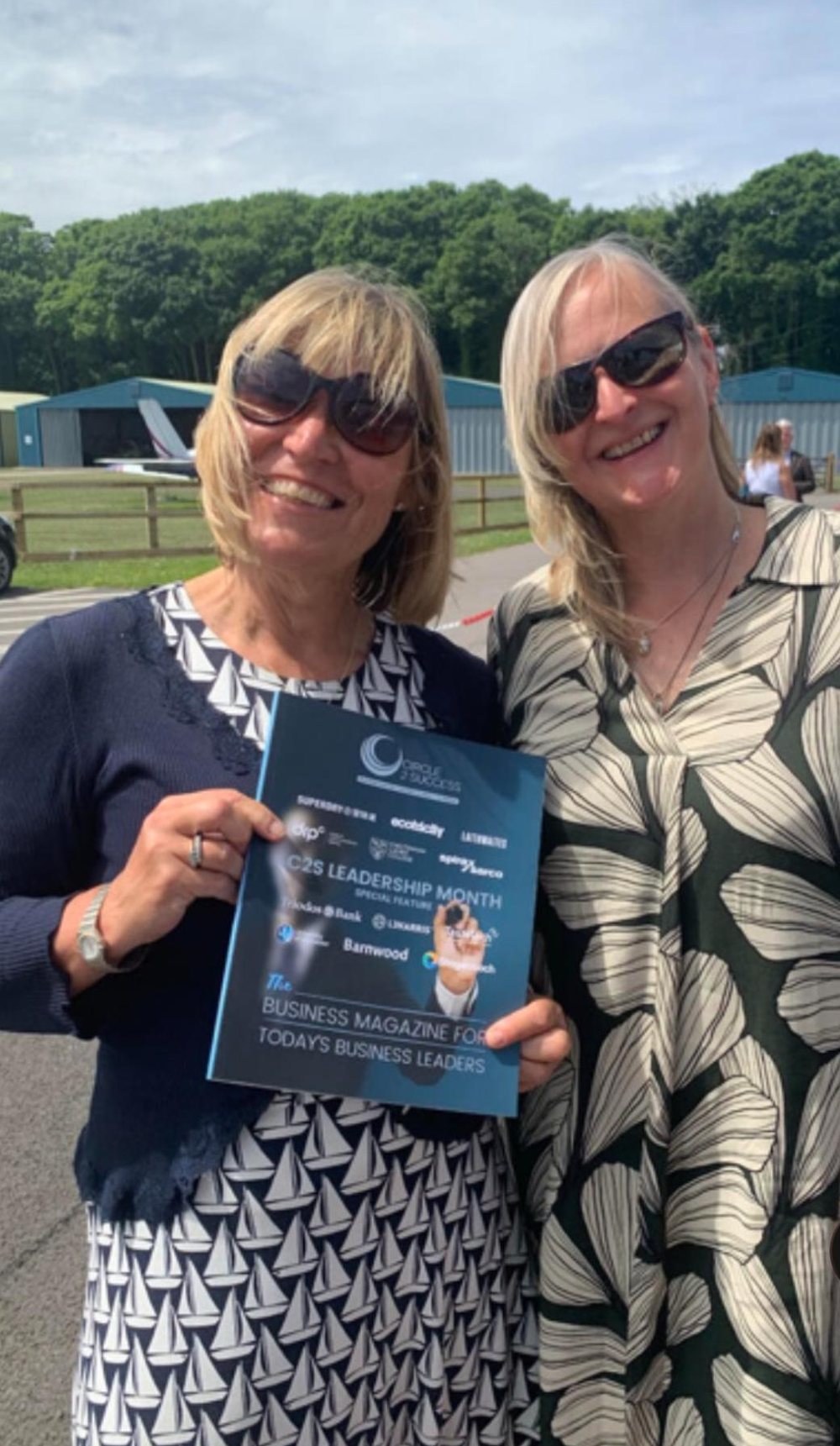
Speaking, facilitating, and in among it
Today

Rethinking talent, work and workforce design
Today Sarah helps organisations rethink talent, work and workforce design across the whole working life. Her work includes intergenerational working, experienced talent, flexible careers, ageism, gendered ageism, Human plus AI and new ways of organising work through interim roles, job shares, fractional work and microships.
She also helps individuals explore what comes next, both in work and beyond it.
Beyond Career Voyage
Sarah’s wider work
Explores the wider possibilities created by longer working and living lives.
Because people do not fit neatly into boxes.
Neither do careers.
And neither do lives.